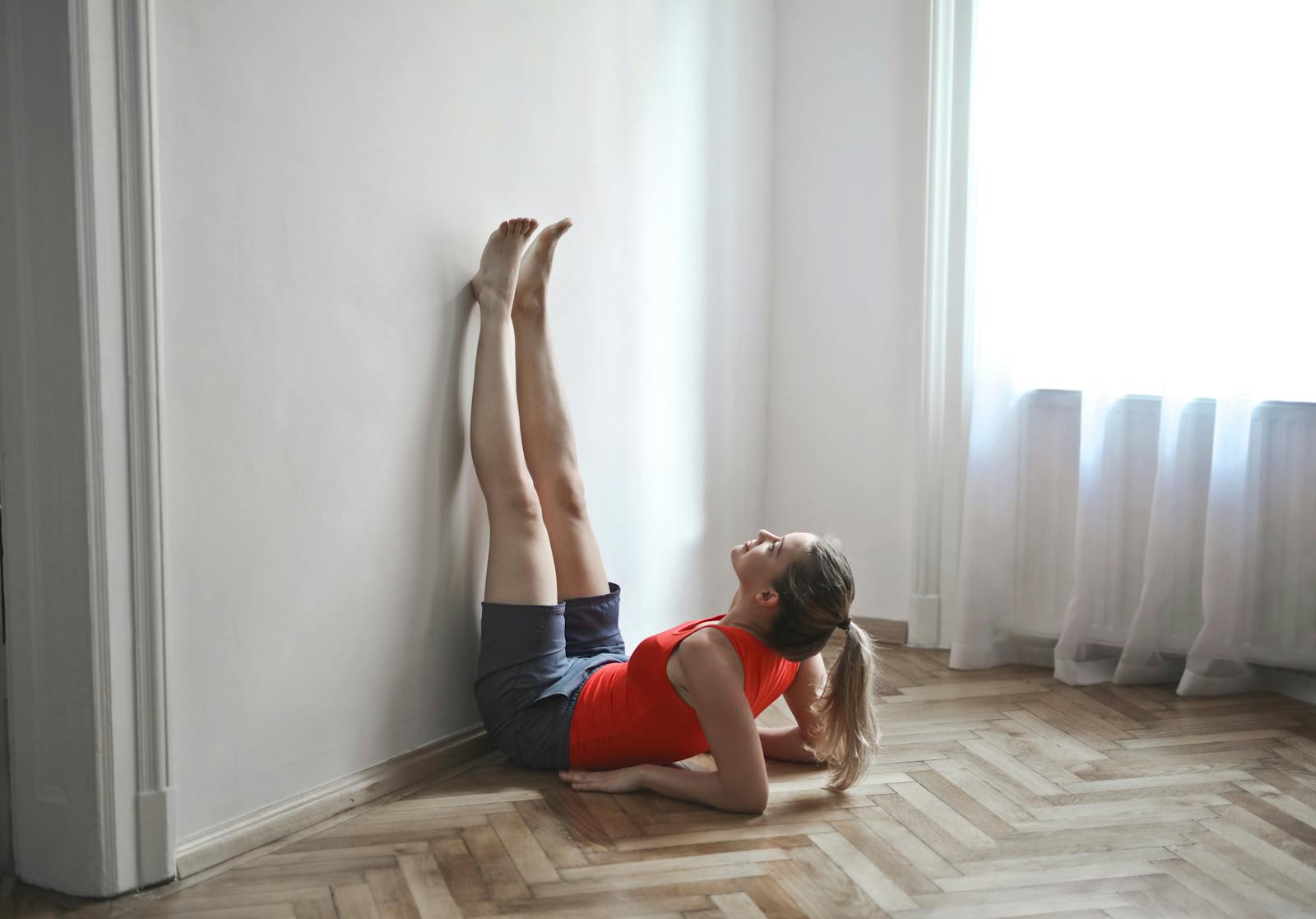

Starting a fitness journey can feel overwhelming, especially when gym memberships are expensive or time is limited. The good news? You can build an effective workout routine right in your living room. Home workouts offer convenience, privacy, and flexibility that make them perfect for beginners looking to establish consistent exercise habits.
Why Home Workouts Are Perfect for Beginners
Home workouts eliminate common barriers that prevent people from exercising regularly. You don’t need to worry about gym intimidation, expensive equipment, or traveling to a facility. You can work out on your schedule, whether that’s early morning before work or late evening after the kids are in bed. This accessibility makes it easier to build the consistency that’s crucial for long-term success.
Essential Equipment (That Won’t Break the Bank)
While bodyweight exercises are incredibly effective, a few inexpensive pieces of equipment can enhance your routine:
- Yoga mat: Provides cushioning and grip for floor exercises
- Resistance bands: Lightweight and versatile for strength training
- Light dumbbells or water bottles: Perfect for adding resistance
- Stability ball: Great for core work and improving balance
Remember, you can start with absolutely no equipment and gradually add items as you progress and identify your preferences.
The Foundation: Bodyweight Basics
Bodyweight exercises form the cornerstone of effective home workouts. These movements use your own body as resistance, making them accessible to everyone regardless of fitness level.
Upper Body Essentials: Push-ups are the ultimate upper body exercise, targeting chest, shoulders, and triceps. Beginners can start with wall push-ups or knee push-ups before progressing to full push-ups. Tricep dips using a sturdy chair or couch edge effectively target the back of your arms.
Lower Body Powerhouses: Squats work your glutes, quadriceps, and hamstrings while improving functional movement patterns you use daily. Start with bodyweight squats, focusing on proper form before adding variations. Lunges target similar muscles while challenging your balance and coordination.
Core Strengtheners: Planks build core stability and endurance. Begin with 15-30 second holds and gradually increase duration. Modified crunches and dead bugs help strengthen your abs while protecting your lower back.
Sample Beginner Workout Routines
Routine 1: Full-Body Circuit (20-25 minutes)
Perform each exercise for 30 seconds, rest for 15 seconds, then move to the next exercise. Complete 2-3 rounds.
- Marching in place (warm-up)
- Wall or knee push-ups
- Bodyweight squats
- Standing side bends
- Alternating lunges
- Modified plank hold
- Arm circles
- Gentle stretching (cool-down)
Routine 2: Upper/Lower Split (15-20 minutes each day)
Upper Body Day:
- Wall/knee push-ups: 2 sets of 8-12 reps
- Tricep dips: 2 sets of 5-10 reps
- Arm circles: 2 sets of 10 each direction
- Standing chest stretch: Hold for 30 seconds
Lower Body Day:
- Squats: 2 sets of 10-15 reps
- Lunges: 2 sets of 5-8 per leg
- Calf raises: 2 sets of 10-15 reps
- Hip stretches: Hold for 30 seconds each
Creating Your Schedule
Consistency trumps intensity for beginners. Start with 2-3 workout days per week, allowing rest days between sessions for recovery. A simple schedule might look like: Monday (full-body), Wednesday (upper body), Friday (lower body), with walking or gentle stretching on alternate days.
As you build strength and endurance over 4-6 weeks, you can increase frequency, duration, or intensity. Listen to your body and progress gradually to avoid burnout or injury.
Tips for Success
Start Small: Begin with shorter workouts and fewer repetitions. It’s better to complete a 15-minute workout consistently than to burn out attempting hour-long sessions.
Focus on Form: Proper technique prevents injury and ensures you’re targeting the right muscles. Watch instructional videos or work with online trainers to learn correct movement patterns.
Track Your Progress: Keep a simple log of your workouts, noting improvements in repetitions, duration, or how you feel. This documentation provides motivation and helps identify patterns.
Listen to Your Body: Some muscle soreness is normal, but sharp pain is not. Rest when needed and don’t push through concerning discomfort.
Moving Forward
Home workouts offer an accessible entry point into fitness that can grow with you over time. As you build strength and confidence, you can add equipment, try new exercises, or explore online fitness classes. The key is starting where you are and remaining consistent with your efforts.
Remember, the best workout routine is one you’ll actually do. By starting with these beginner-friendly home workouts, you’re taking the first step toward a healthier, more active lifestyle that fits seamlessly into your daily routine.